
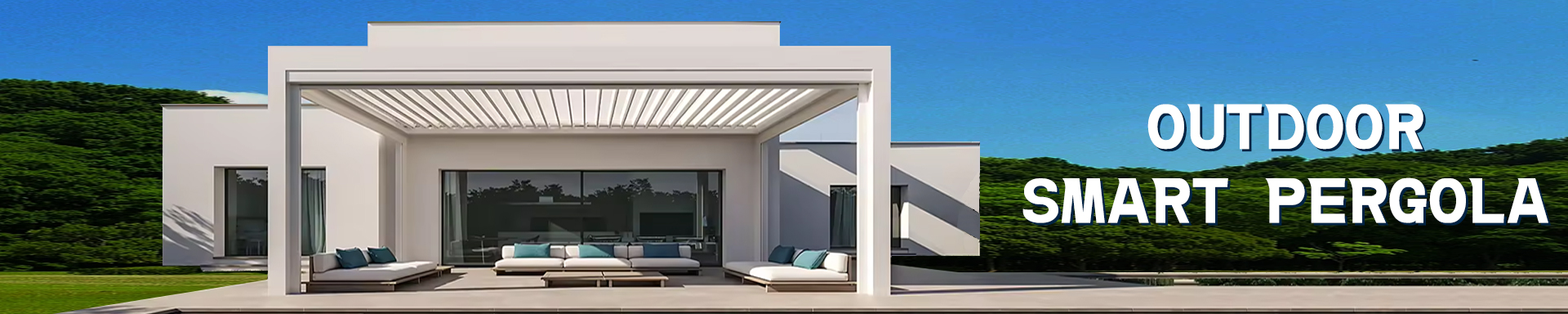
Installing aluminum slatted fences requires precise planning and leveling. Start by marking your fence line, setting posts in concrete, and ensuring proper alignment. Attach panels sequentially, checking spacing and height with a level, and secure fasteners carefully to prevent warping. Custom panels simplify this process while maintaining high-end visual appeal. Proper execution guarantees a modern, stable fence that complements landscaping and outdoor spaces.
1.Design and Style Options
Modern Aluminum Slatted Fences have transformed outdoor spaces with sleek, contemporary designs that balance privacy, airflow, and visual appeal. Homeowners increasingly choose these fences for urban gardens, patios, and rooftop terraces because they offer both durability and aesthetic versatility. You can see a variety of modern aluminum fence styles in real-world installations where sunlight filters through evenly spaced slats, creating dynamic shadows that change throughout the day. For example, a durable aluminum slatted fence around a suburban backyard not only enhances security but also integrates seamlessly with landscaping, complementing both greenery and hardscape elements. Whether aiming for minimalism or more decorative flair, these fences provide a flexible foundation for outdoor styling.
1.1 Horizontal vs Vertical Slats
When choosing between horizontal and vertical slats, the orientation significantly impacts visual perception, privacy, and airflow. Horizontal slats tend to make spaces appear wider and offer a modern, open look, while vertical slats create a sense of height and traditional elegance. The differences can be summarized in the table below:
| Feature | Horizontal Slats | Vertical Slats |
|---|---|---|
| Visual Effect | Expands width visually | Enhances height perception |
| Privacy | Moderate; adjustable spacing | Higher; more privacy if close together |
| Airflow | Good ventilation | Slightly restricted compared to horizontal |
| Installation | Easier to align panels | Requires precise leveling to maintain straight lines |
| Best Use | Modern gardens, patios, pool areas | Courtyards, narrow yards, privacy-focused spaces |
Selecting the right orientation often depends on sunlight patterns, yard shape, and desired sightlines. For instance, one modern rooftop terrace featured a custom slatted fence panel installation where horizontal slats aligned with the horizon line, creating a visually seamless barrier while allowing breeze circulation through the panels.
1.2 Color and Finish ChoicesAluminum slatted fences come in a range of finishes that combine style and weather resistance. Common choices include powder-coated finishes, which resist fading and corrosion, and anodized surfaces that enhance longevity while maintaining a metallic sheen. Popular colors in contemporary installations range from matte black and dark gray to light silver and bronze tones. For example, a minimalist garden featured Aluminum Slatted Fence panels in matte charcoal, which contrasted beautifully with green foliage while maintaining a sleek, modern profile. When selecting a finish, consider climate conditions and surrounding architecture, as UV exposure and moisture can impact color retention and surface durability over time.
1.3 Custom Patterns and Spacing
Customizing slat patterns and spacing allows homeowners to create unique, functional designs tailored to their environment. Narrow spacing increases privacy, while wider gaps enhance airflow and light penetration. Some modern installations mix alternating slat widths or integrate diagonal patterns to add visual interest. For instance, a city terrace utilized 1-inch spacing for high-privacy zones and 3-inch spacing near communal seating areas, balancing seclusion with airiness. Designers also incorporate textured finishes or mixed-metal accents to elevate the fence’s visual impact. A Slatted Fence around a pool area demonstrated how pattern variation could transform a standard perimeter into a design feature, while ensuring safety and comfort for all users.
2. Material Selection and Durability
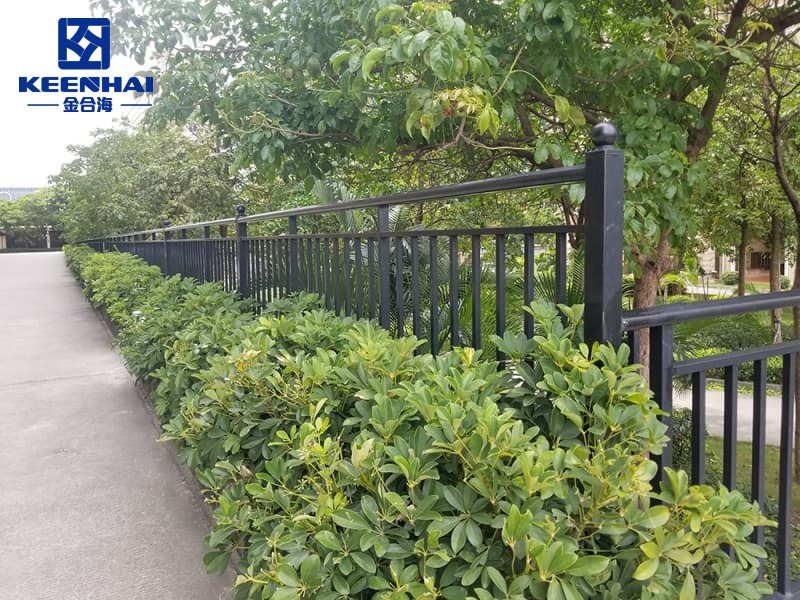
Choosing the right material for Modern Aluminum Slatted Fences is critical for long-term performance, strength, and aesthetic appeal. Aluminum stands out because it combines lightweight flexibility with superior corrosion resistance, making it ideal for both urban rooftops and coastal gardens where moisture and wind exposure are significant. Many premium installations use 6000-series aluminum alloys, which offer high tensile strength and exceptional durability without warping over time. Real-world projects often pair these aluminum fences with stone or composite decking to create a seamless, modern outdoor environment that lasts decades with minimal maintenance. Compared to traditional wooden fences, aluminum requires no painting, staining, or frequent sealing, which drastically reduces long-term upkeep costs.
2.1 Aluminum Grade and Thickness
The performance of a fence directly depends on aluminum grade and panel thickness. Commonly used grades include 6061-T6 and 6063-T5, with 6061-T6 favored for high-load areas because it provides superior strength, while 6063-T5 offers excellent finish quality and corrosion resistance. Typical slat thickness ranges from 1.2mm to 2.0mm, balancing durability with ease of installation. When designing a fence, consider:
-
Purpose and load requirements – high-traffic areas or boundary walls benefit from thicker slats.
-
Panel length and spacing – longer panels need slightly thicker material to prevent bending.
-
Environmental conditions – coastal or high-humidity areas require alloys with higher corrosion resistance.
For example, a rooftop terrace in Florida used 6063-T5 aluminum panels at 1.8mm thickness, which provided excellent strength against hurricane winds while maintaining a sleek modern look.
2.2 Rust-Resistance and Coating Options
Aluminum naturally forms a protective oxide layer, but surface treatments further enhance lifespan. Two main options dominate:
-
Powder coating – offers a thick, uniform finish that resists chipping, fading, and UV damage. Common thickness is 60–80 microns, providing up to 20 years of protection in normal climates.
-
Anodized finish – chemically bonds the oxide layer to the aluminum surface, giving metallic sheen and additional corrosion resistance, ideal for high-salt environments like seaside patios.
Many designers combine coating selection with color choices to match architectural style while improving weather resistance. A Durable Aluminum Slatted Fence in a high-humidity garden achieved 15+ years of maintenance-free performance with powder-coated matte black panels, which also minimized glare and visually integrated with the surrounding greenery.
2.3 Comparing Aluminum with Other Metals
Aluminum fences outperform many traditional metals in outdoor applications, especially regarding weight, corrosion, and maintenance. The following table highlights key differences:
| Feature | Aluminum | Steel | Wrought Iron | Wood |
|---|---|---|---|---|
| Weight | Light (2.7 g/cm³) | Heavy (7.85 g/cm³) | Heavy | Moderate |
| Corrosion Resistance | High; natural oxide layer | Low; requires galvanization | Moderate; needs coatings | Low; susceptible to rot |
| Maintenance | Minimal | Medium; rust prevention | Medium; paint and seal | High; stain and seal |
| Lifespan | 20–30 years | 15–25 years | 20+ years if maintained | 5–15 years |
| Installation Ease | Easy; lightweight panels | Difficult; requires welding | Difficult | Easy but frequent upkeep |
Compared to steel and wrought iron, aluminum fences are far easier to transport and install, reducing labor costs. Compared to wood, aluminum eliminates issues like warping, insect damage, or seasonal cracking. This makes aluminum slatted fences the preferred choice for modern landscapes where longevity and low maintenance are priorities.
3. Installation Process
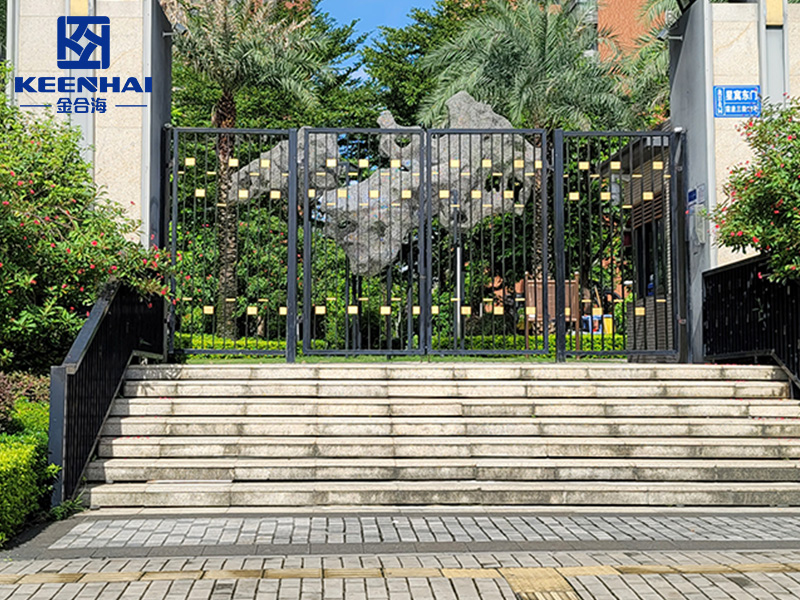
Installing Modern Aluminum Slatted Fences requires careful planning, precise measurements, and methodical execution to ensure long-lasting stability and aesthetic appeal. Many homeowners underestimate the importance of pre-installation preparation, but a well-planned layout prevents gaps, uneven panels, and future maintenance issues. In real-world projects, designers often start by mapping the fence line against hardscape and landscaping features, taking into account gate placement, sunlight angles, and property boundaries. For example, a suburban garden used Aluminum Slatted Fence panels, carefully aligned to maintain a clean visual rhythm with nearby shrubs and patio furniture.
3.1 Measuring and Planning Your Fence Layout
Accurate measurements form the backbone of a successful installation. To start:
-
Mark the perimeter using stakes and a string line, ensuring straight reference points for all posts.
-
Measure panel widths and spacing to avoid small leftover gaps at the ends of the fence line.
-
Account for terrain changes, including slopes or steps, which may require adjusting post heights or adding custom panels.
-
Plan gate locations and access points to align with walkways or driveways without disrupting the overall flow.
Tip: Always double-check measurements before cutting or drilling; even minor miscalculations can compromise the fence’s structural integrity. Using this method ensures a clean, uniform layout and saves time during panel installation.
3.2 Post and Panel Installation Techniques
Proper post installation anchors the fence and guarantees long-term stability. Standard steps include:
-
Dig holes for posts at least 12–18 inches deep, depending on soil type and panel height.
-
Set posts in concrete, making sure each one is perfectly vertical using a level. Allow concrete to cure fully—typically 24–48 hours.
-
Attach panels to posts using pre-drilled holes and corrosion-resistant fasteners. Ensure panels remain level and evenly spaced as you progress along the fence line.
-
Check alignment frequently to maintain straight lines and consistent visual flow.
For heavy-duty projects, a Durable Aluminum Slatted Fence installation often includes reinforced posts and thicker panels to withstand wind loads or accidental impact, especially in open areas like coastal backyards.
3.3 Tips for Leveling and Securing Slats
Leveling and securing slats is crucial for both aesthetics and functionality. Follow these best practices:
-
Start from one end of the fence and work sequentially to the other, checking each slat with a level before fastening.
-
Use spacers or adjustable clips to maintain uniform gaps between slats, ensuring consistent airflow and visual rhythm.
-
Tighten fasteners incrementally, verifying alignment at each step to prevent panel bowing or misalignment.
-
Inspect the finished fence line for minor deviations, adjusting slats or posts as necessary for a flawless final look.
A Custom Slatted Fence Panel approach can simplify this process, as pre-configured spacing and patterns reduce on-site adjustments, saving both time and labor while maintaining a high-end finish.
4. Maintenance and Longevity
Modern Aluminum Slatted Fences are prized for their low-maintenance durability, but regular upkeep ensures they retain their aesthetic appeal and structural integrity for decades. Aluminum’s natural corrosion resistance reduces maintenance compared to wood or steel, yet routine care prevents dirt buildup, oxidation, and surface wear. For example, suburban backyard fences and rooftop terraces often remain pristine for 10–20 years with minimal intervention, preserving both color and finish. In practice, a Durable Aluminum Slatted Fence installed near coastal gardens maintains its strength and appearance even under high humidity and salt exposure when simple maintenance steps are followed.
4.1 Cleaning and Preventing Corrosion
Maintaining clean, corrosion-free aluminum panels is straightforward but requires consistency and the right materials:
-
Rinse the fence with water every 4–6 weeks to remove dust, pollen, and surface debris.
-
Use a mild detergent solution for deeper cleaning, scrubbing gently with a soft cloth or sponge to avoid scratching the finish.
-
Avoid abrasive cleaners or steel brushes, which can damage powder-coated or anodized surfaces.
-
Inspect for early signs of corrosion or discoloration, particularly in coastal or high-humidity environments.
Routine cleaning not only preserves appearance but also prevents tiny imperfections from developing into larger structural issues, ensuring your fence remains both functional and visually appealing.
4.2 Inspecting for Damage and Wear
Frequent inspection helps identify wear or damage before it escalates. Focus on:
-
Fasteners and brackets – tighten any loose screws or clips, and replace those showing rust or wear.
-
Panel alignment – check for bowing, misalignment, or warping caused by impact, wind, or settling soil.
-
Surface condition – look for scratches, chips, or faded coatings; minor issues can be addressed before they worsen.
A typical schedule involves quarterly inspections, especially after storms or high winds. For high-traffic areas, monthly checks prevent loose panels or misaligned slats from compromising both safety and aesthetics. Regular observation ensures the fence performs optimally for decades.
4.3 Protective Treatments and Coatings
Enhancing aluminum longevity often involves supplementary protective treatments:
-
Reapply wax or sealants every 1–2 years for additional water and UV resistance.
-
Touch up powder-coated areas with matching paint to prevent localized corrosion.
-
Anodized finishes may require minimal upkeep but should be wiped clean to maintain sheen.
In urban and coastal applications, a Custom Slatted Fence Panel with pre-treated finishes significantly reduces maintenance frequency, preserving color and structural integrity. Investing in preventive care pays off, ensuring your investment continues to enhance the property’s style and functionality without constant intervention.
5. Cost Considerations
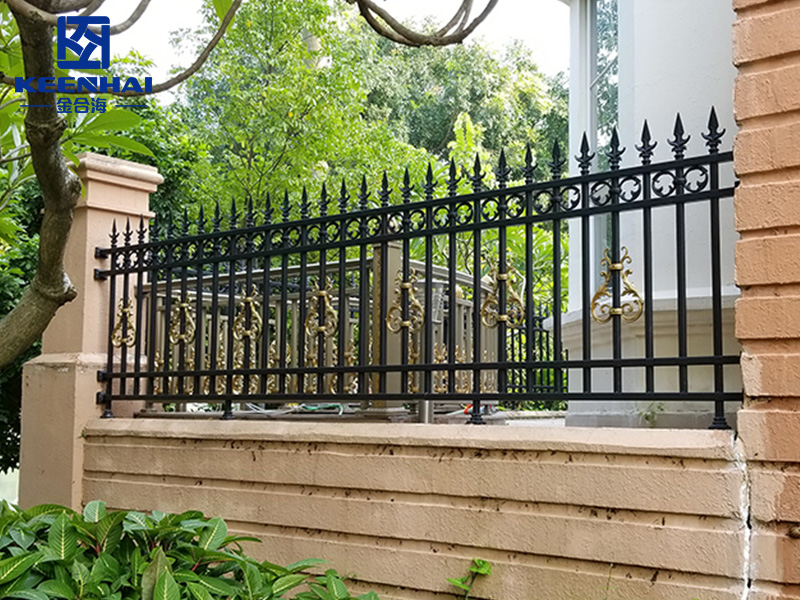
Understanding the costs of Modern Aluminum Slatted Fences is essential for planning a budget that balances quality, durability, and visual impact. Aluminum fences often have a higher upfront cost than wood, but their long lifespan, low maintenance, and modern aesthetics make them a smart investment. Real-world installations in urban patios, coastal gardens, and rooftop terraces show that the long-term value of aluminum far outweighs initial expenditures. For homeowners prioritizing durability and style, a Durable Aluminum Slatted Fence often delivers over 20 years of maintenance-free enjoyment, justifying the initial expense.
5.1 Material and Labor Costs
Material and labor are the two main contributors to upfront expenses:
-
Material costs – high-quality aluminum alloys such as 6061-T6 or 6063-T5 range from $20 to $50 per linear foot, depending on thickness, finish, and panel design.
-
Labor costs – professional installation averages $15–$35 per linear foot, including post setting, panel alignment, and finishing.
-
Customization – intricate patterns, varied slat widths, or pre-fabricated Custom Slatted Fence Panels increase costs but reduce on-site labor time and improve precision.
Combining standard panels with strategic custom sections often reduces overall costs while still achieving a premium look.
5.2 Long-Term Maintenance Expenses
Aluminum fences are low-maintenance, but budgeting for occasional care ensures longevity:
-
Cleaning supplies – mild detergents and soft cloths cost under $50 per year for typical backyard installations.
-
Minor repairs – tightening fasteners, replacing damaged slats, or touching up coatings averages $100–$200 every few years.
-
Protective coatings – reapplying wax or sealant annually adds minimal cost but extends lifespan.
Compared to wood or steel, which require frequent painting, sealing, or rust treatment, aluminum’s long-term maintenance cost is significantly lower, providing both financial and time savings.
5.3 Cost vs Aesthetic Value
Investing in Modern Aluminum Slatted Fences delivers exceptional visual and functional returns. Consider the following comparison table:
| Feature | Aluminum Slatted Fence | Wood Fence | Steel Fence |
|---|---|---|---|
| Upfront Cost | Moderate-High ($20–$50/ft) | Low ($10–$25/ft) | High ($30–$60/ft) |
| Maintenance | Low ($50–$200/yr) | High ($300–$500/yr) | Medium ($150–$300/yr) |
| Lifespan | 20–30 years | 5–15 years | 15–25 years |
| Visual Appeal | Sleek, modern, customizable | Natural, rustic | Strong, industrial |
Investing slightly more upfront in aluminum results in long-term savings, minimal upkeep, and a modern aesthetic that maintains property value. Homeowners who value low-maintenance elegance consistently report higher satisfaction with aluminum fences than with alternative materials.